Craft & Conversion: Creative Doesn't Stop at Launch
Craft & Conversion: Why Creative Doesn’t Stop at Launch
On 30 September, Happy Hour co-hosted ‘Making TV Advertising More Effective: Curiosity, Craft & Conversion’ with ITV and Flight Feather. We’ve already written up the first panel of the event, ‘Curiosity & Craft: Asking Better Questions’, which looked at how effectiveness starts with the brief.
The second panel, ‘How to Deliver and Measure Effective TV’, picked up where that one left off. Once the ad is made, how do you know it’s working – and what do you do about it?
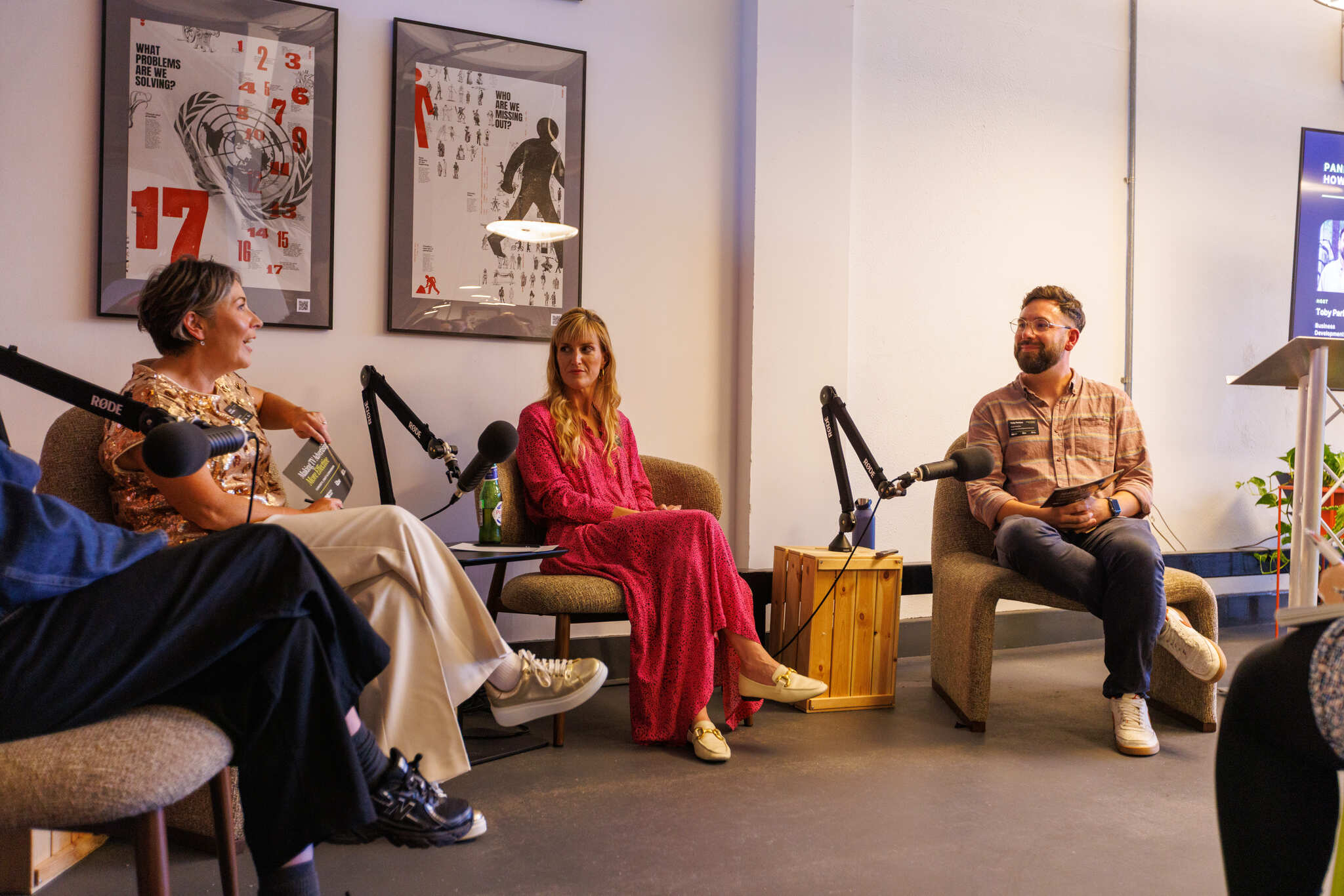
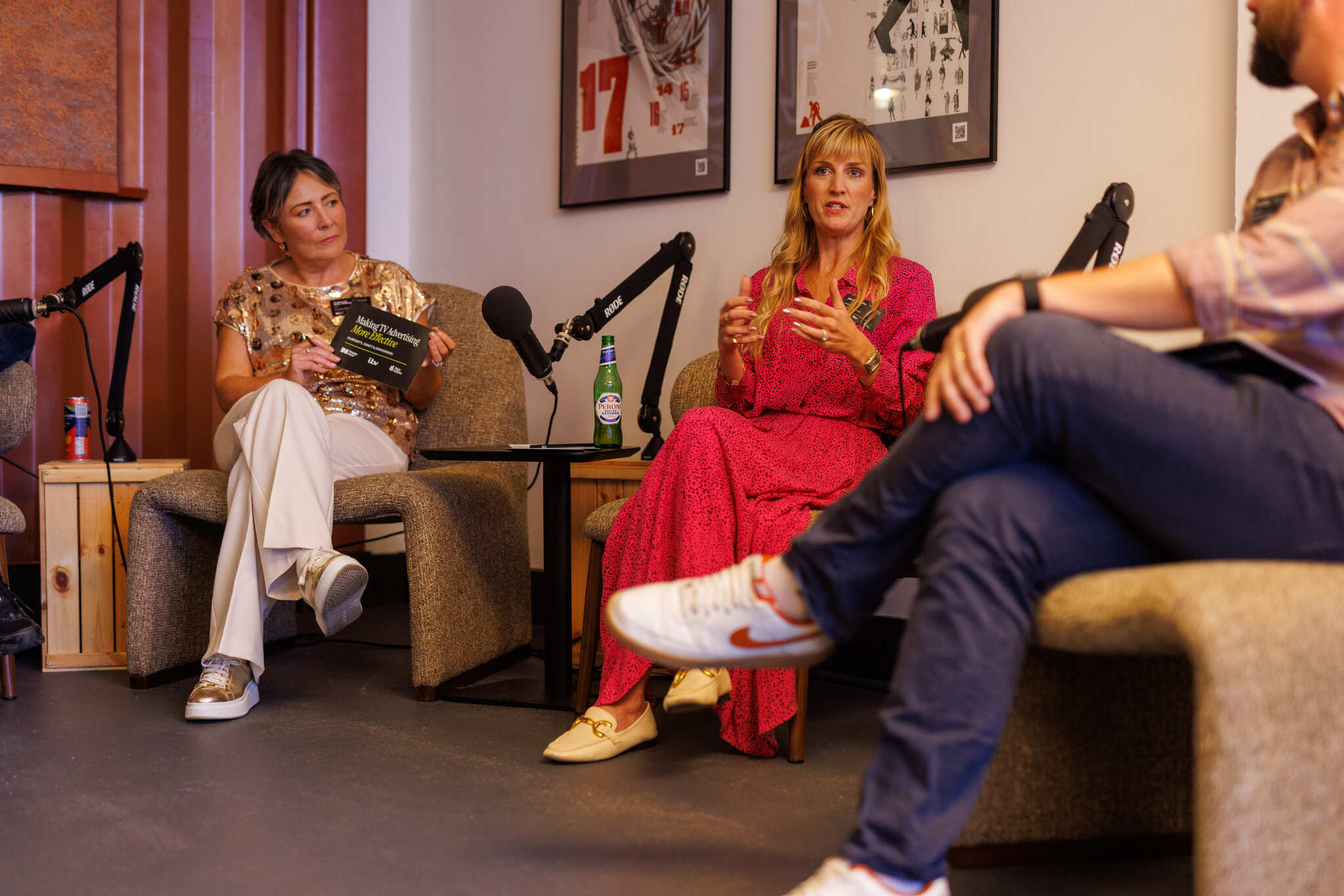
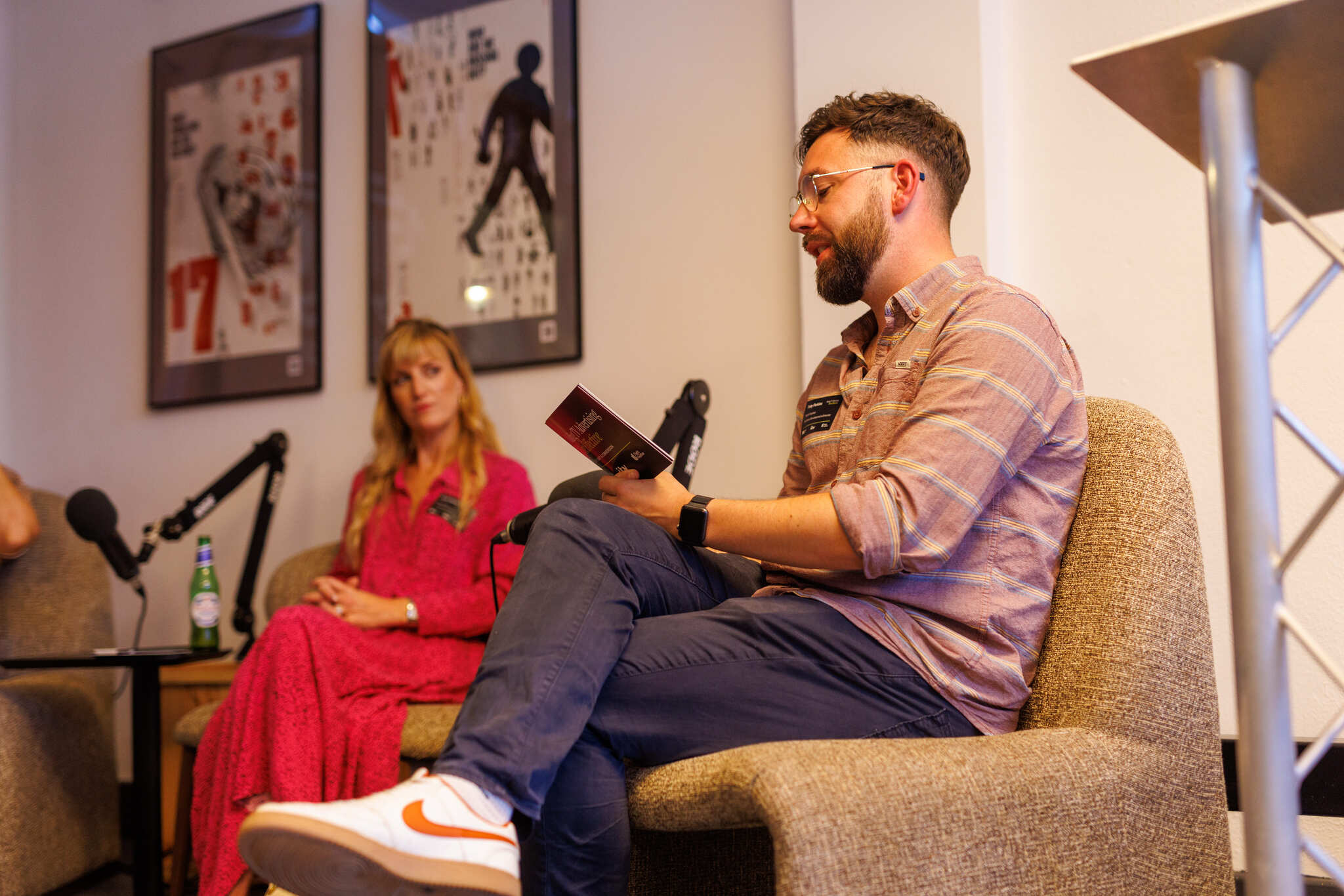
It was chaired by Toby Parkins, Business Development Director at Flight Feather. He was joined by Rosie Pick, Account Director at Flight Feather; Angharad Rees-Williams, Business Manager at ITV; and Nicola Reeves, Managing Director at Happy Hour.
Toby opened by explaining what ‘conversion’ means in this context: turning attention into awareness, awareness into consideration, and the outcomes a business wants into KPIs that show whether a campaign is doing its job.
Conversations about measuring and optimising TV usually end up being about media – which channels, which dayparts, and where the budget goes. That came up plenty. But the thread running through Nicola’s answers was that the creative is a lever too: before launch, on air, and afterwards.
First, a point worth making for anyone new to TV: measurement is more accessible than it looks. Angharad explained that ITV’s entry-level products, Household Response and Household Lift, match TV spots to website visits, with Household Lift also measuring incremental impact against a control group. Rosie added that measurement can often be negotiated into a media deal as added value, and where it can’t, a brand’s own GA4 and sales data can still show what the advertising has done. Therefore, a small budget doesn’t mean a lack of measurement.
For us as a creative agency, the message was clear: our job doesn’t end when the ad goes on air.
Here’s what we took away from the panel.

Creative doesn’t stop at launch
Once an ad is on air, there’s a tendency to assume the creative work is finished and the job is to let it run. Nicola argued that’s a missed opportunity. Media gets optimised throughout a campaign, and creative can be too.
This is especially true of DRTV and brand response work. On-screen graphics, offers, roundels and end cards can all be changed. Voiceovers can be re-recorded to adjust the messaging or sharpen the call to action.
None of this needs a reshoot. It’s quick, cost-efficient post-production work; a change can be made in a couple of days, cleared through Clearcast and back on air within a week.
Angharad made a similar point from ITV’s side. Slots can be moved during a campaign, and on ITVX, targeting and dates can be changed very quickly.
The panel agreed on one caveat, though: don’t be knee-jerk about it. A month-long campaign can’t be judged on its first few days. Rosie suggested two weeks as the minimum before acting on the data, because a single bad day can be down to something entirely outside the campaign. A heatwave, a big news story or a major sporting event can all knock a single day’s results, and none of them have anything to do with the ad.
Make the creative fit the media space
Before launch, there’s far more room to adapt. Nicola’s example was a campaign for Pogust Goodhead’s My Diesel Claim, who already had a strong, hard-working TV ad. The data showed sports audiences were responding particularly well to it.
The obvious move would have been to buy more sport. Instead, we filmed contextual scenes tied to the moment of viewing, with lines like ‘before the match starts’, ‘at half-time’ and ‘now the match has finished’, and ran them around the World Cup. Nicola said the results were incredible.
The data that makes this possible usually comes from the media side. Rosie explained how tracking shows which times of day, days of the week, channels and programmes are working best, so budget can be moved towards them. For one of Flight Feather’s clients, tracking showed performance was much stronger at weekends, and weighting the plan towards them has improved results steadily since.
The point is that data shouldn’t only decide where an ad runs. It should also shape what the ad says, so the creative feels relevant to the space it appears in.
Nobody can always predict the winner
Toby asked Nicola whether she could tell, with several executions on the table, which would perform best. Her answer was honest: sometimes, but not always.
Some principles of effective TV are well established – branding early, a clear ask and the right pace for the objective. DRTV mechanics in particular are well understood, so structure and call to action can be predicted with some confidence.
Brand and emotion-led work is harder to call. You can’t be sure which storyline, character or moment will resonate most. As Nicola pointed out, even John Lewis has had Christmas ads underperform without seeing it coming.
That’s where testing earns its keep, whether before launch or early in the campaign. Rosie described Flight Feather’s ‘banker’ approach for multiple executions: run two ads for a set period, keep the stronger one, bring in a challenger and repeat until everything has been tested. Poor performers are dropped quickly, and every ad gets a fair chance with enough data behind it.
Testing doesn’t replace judgement, though. The job is still to make the ad as good as it can be with everything you know. Testing tells you whether you were right.
Let the results reshape the creative
Measurement is most useful when it tells you something you didn’t expect. Nicola gave three examples from our own work.
The first surprised us when the results came in: brand idents and sponsorship bumpers outperformed a 30-second DRTV spot. Anyone who knows DRTV will tell you that isn’t supposed to happen. It showed those shorter formats can earn a proper role in a response campaign.
The second came from the National Trust testing Matt discussed in the first panel. One scene was voted both the most disliked and the most liked. Toby summed it up well: it doesn’t pay to be vanilla – polarising creative often works hardest.
The third was WaterAid. We made a 60-second and a 90-second version of the same story, and they won on different measures. The 60 was strongest for cash giving, and the 90 for regular giving.
That split isn’t unusual in charity DRTV, but it was different from WaterAid’s previous results. The obvious fix would have been to put more media weight behind the 90. But 90-second airtime is far more expensive, so instead we analysed what made the 90 work for regular giving and adjusted the 60 to do the same job.
It’s a good example of creative optimisation solving a problem that would otherwise have been solved, at a much greater cost, with media.
Rosie had a similar story from the media side. Flight Feather ran a brand-led ad and a performance-led ad for a client on ITV. The performance ad did better on its own, as expected, but the best results came from people who had seen both. That finding has shaped how the client’s media has been planned across channels ever since.
Brand and response in one ad – by design
Toby asked whether one ad can do both brand building and response. Nicola said it can, but only if it’s built that way deliberately. It needs the hook and memorability of brand work alongside the techniques that drive people to act. Many of our campaigns carry both objectives.
Branding is part of that. Rosie admitted that media agencies’ favourite note – make the logo bigger and keep it on screen longer – crushes a few creative hopes and dreams, but it does help recall. Nicola’s suggestion of 30 seconds of logo was a joke, mostly.
The serious point depends on the type of ad. For DRTV and brand response, branding needs to come early and stay throughout. For brand-led work, brand fluency doesn’t have to mean the logo. It can come from distinctive brand assets – audio, visual or a recurring character – and we lean into those deliberately.
Keep the creative agency in the room afterwards
Angharad described post-campaign analysis as the point where you really find out what worked. Did the campaign reach the audience set out in the brief? Which days and dayparts over-performed? Which creative did better, and did the media actually lead to sales?
Nicola’s addition was simple: every key partner should be in those meetings, including the creative agency. It’s something we push for. Hearing the results first-hand means we can make recommendations straight away, rather than getting a summary weeks later with the learnings already filtered through someone else.
Those learnings are what the next round of creative should be built on. If the creative agency isn’t there to hear them, they’re far less likely to get used.
Three things to plan before the shoot
Toby closed the panel with three takeaways: measurement is accessible, robust data is worth waiting for, and don’t test too much at once. From the creative side, the most useful thing you can do is plan for optimisation before you’re on air. That means asking three questions before the shoot.
What might we want to change once we’re live? End cards, offers, graphics and voiceover are the quickest elements to update. If you know which ones you might want to test or change, you can build the ad so they’re easy to swap.
Is there material worth capturing while we’re on set? Contextual scenes, alternative lines and different lengths are much cheaper to shoot alongside the main ad than to come back for later.
Is this ad doing brand, response or both? One ad can do both jobs, but only if it’s built for both from the start. Decide that before the script is written, not after the results come in.
If you want your next campaign planned for optimisation rather than just for launch, get in touch.


Newsletter Sign-up
Big ideas to keep your brand moving