Curiosity & Craft: Asking Better Questions
Asking Better Questions: Why Effective TV Advertising Starts With the Brief
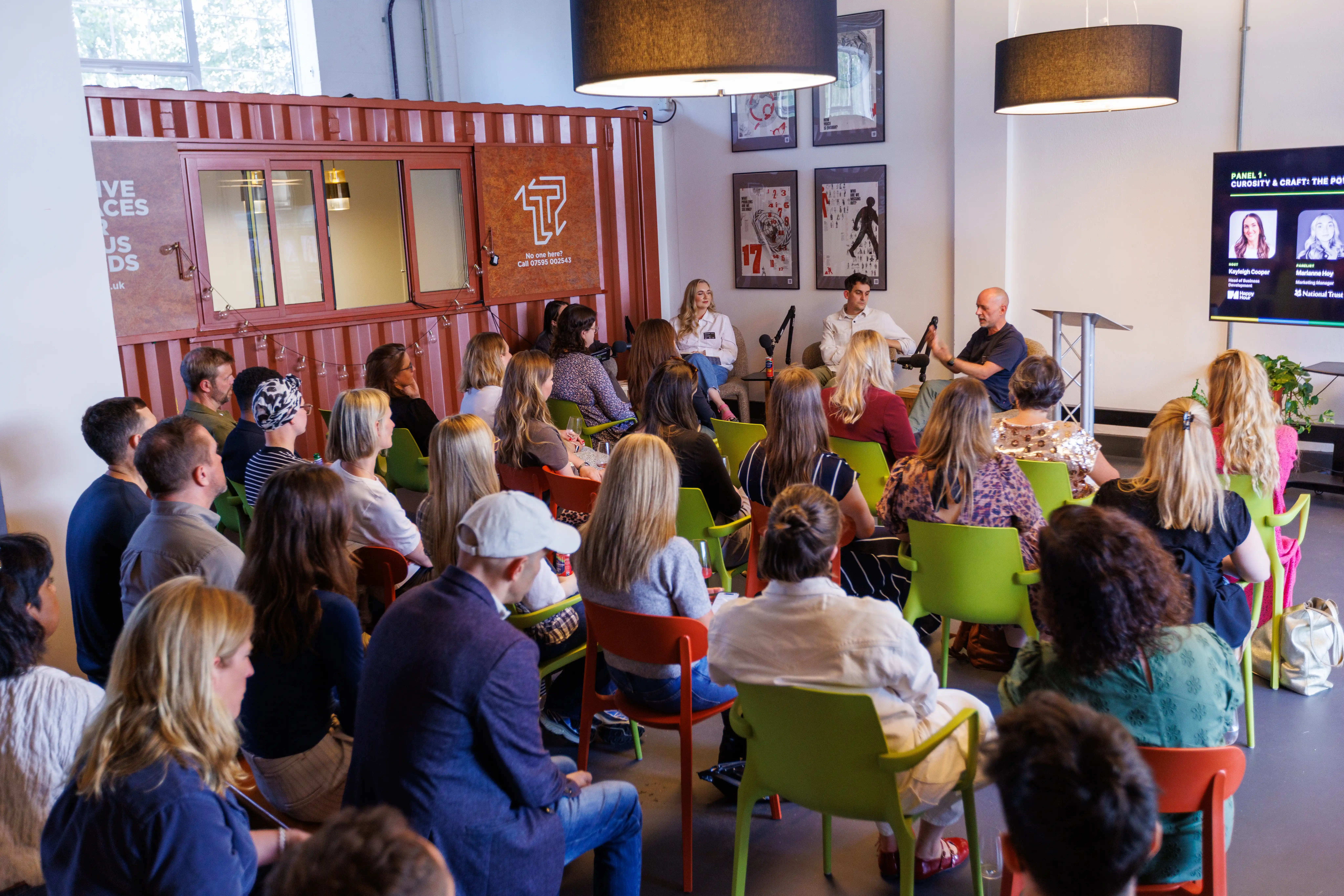
On 30 September, Happy Hour co-hosted ‘Making TV Advertising More Effective: Curiosity, Craft & Conversion’ with ITV and Flight Feather at Temple Studios in Bristol. It's rare to get a creative agency, a media agency, a media owner and clients in the same room, so we made the most of the opportunity.
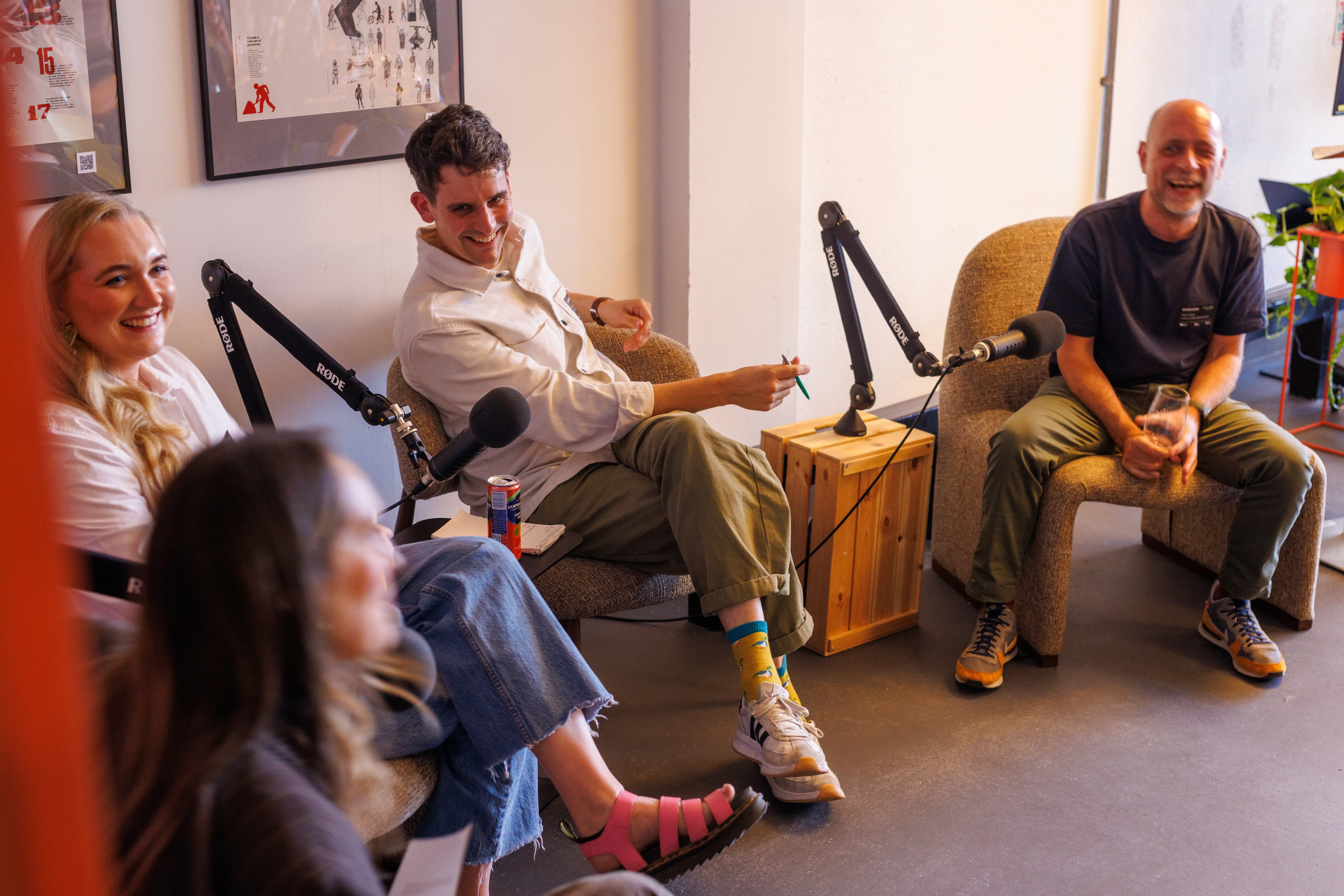
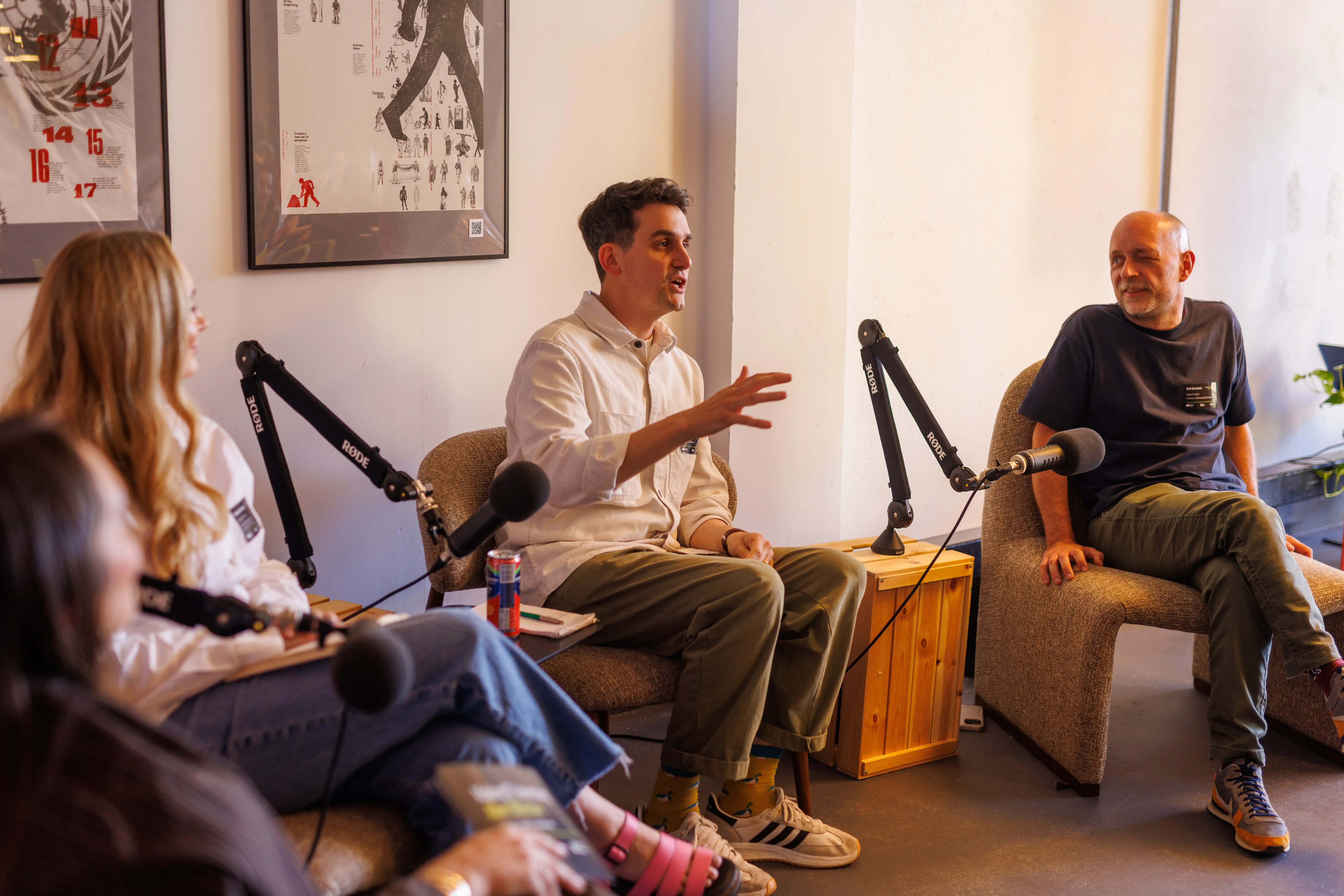
The first panel, ‘Curiosity & Craft: Asking Better Questions’, was chaired by Kayleigh Cooper, our Head of New Business. She was joined by Marianne Hoy, Marketing Manager (Planning & Delivery) at the National Trust; Matt Cooper, Head of Creative at Happy Hour; and Edd Bowsher, Founder and Managing Director at Flight Feather.
Much of the discussion centred on ‘It's A Membership Thing’, our campaign for the National Trust.
The question at the heart of it was simple: where does effectiveness start? The short answer is long before an ad is shot. It starts in the brief, and with the questions you’re willing to ask about it.
Here’s what we took away from the panel.

The brief is the cheapest place to get it wrong
Matt, as the agency’s Creative Director, described his role at the briefing stage as being ‘a little bit annoying’. He argued a long brief doesn't necessarily tell you what you need to know. In fact, he claimed a 100-page brief can be more dangerous than a short one, because the actual objective gets buried. There's a temptation on the agency’s side, especially when pitching, to play the brief back and give the client the answer they want to hear. For the agency, it feels like the safe option, but it adds nothing for the client. As Matt put it, winning the project and making effective advertising aren’t always the same thing.
Edd saw the same problem from the media side. Too often, the bulk of the time goes into the back end of putting the media plan together, rather than into understanding what the client actually needs. He said that by skipping the difficult questions up front, you're setting yourself up for difficult conversations further down the line.
From the client side, Marianne agreed. She said the National Trust actively wants that challenge. The questions an agency asks show where it sits on the brand's journey, and a good brief should leave room for them rather than answering everything in advance.
Kayleigh summed it up well: the brief is the cheapest place to get something wrong. At that stage, a mistake can be fixed with a conversation. Miss it, and it tends to surface when it’s too late to fix cheaply – which is how it becomes the most expensive mistake in the campaign.
Start with the audience, not the idea
For ‘It’s A Membership Thing’, the National Trust needed to unite loyal enthusiasts with a new generation of prospective members – at a time when the cost of living was front of everyone’s mind. People taking out membership wanted a good-value day out. So, rather than selling membership as a product, Happy Hour built the campaign around a unifying creative platform that showcased the passions and habits that membership unlocks.
Creatively, the audience had to come first. Whilst that sounds obvious, Matt admitted that creatives often start with an idea and retrofit the audience to it. This time, the audience data illustrated the uniqueness of what members get up to at the Trust – from hiking and enjoying cream teas to Regency cosplay and examining Georgian doorknobs. Those interests became the creative hook, and a long list was whittled down to just five concepts, which shaped the characters for the final ad.
The brief also went through some honest questioning. The National Trust is a charity, and membership is a way of supporting the places it looks after. Matt asked how far that message would actually drive sign-ups, and whether it should lead. In the end, it underpinned the ad, rather than headlining it.
Matt also warned against a common trap: combining several audience profiles into one composite customer. It looks tidy on paper, but at casting you realise you've invented someone who doesn't exist. For a broad audience, montage was the only answer.
Edd added the media view. Precision targeting can work brilliantly, but each extra layer of data adds further costs. The best plans usually blend broad reach with more targeted buys and then test and learn as the campaign runs.
Testing gives you the confidence to be braver
How do you know a braver idea is a better one? For the National Trust, the answer was testing at three stages, with Happy Hour and Ipsos. This meant testing the creative proposition, the storyboard and the near-finished ad. Between storyboard and finished film, spontaneous awareness and positive reactions rose by nine percentage points.
Marianne said the real value was having the evidence to hand throughout. When the script had to change for reasons outside the team's control, the testing showed which way to go, and gave her something solid to take to senior stakeholders.
Testing also changed the edit. One scene scored low on comprehension but high on surprise and likeability; people didn't quite get it, but they liked it. Subsequently, it was moved to the start of the ad, where a reaction matters more than understanding. Matt described the results as a toolbox: the team knew which scenes worked the hardest, so they could arrange them accordingly.
However, he added two caveats. Testing is only as good as the questions you ask and the partner you work with. Also, it needs time built into the schedule, because results you can't act on aren't of much use to you. Marianne made a further point: testing also shows you what you won't compromise on, even when the results point elsewhere.
Edd's request from the media side was simple: involve the media agency early. A finished ad that doesn't fit the plan is avoidable, and strong creative makes the weekly numbers look much better.
Craft that works hard, not just looks good
Craft is often judged on how an ad looks. However, the panel were more interested in what it does.
For the National Trust, Happy Hour made separate consideration and conversion versions, so one ad didn't have to do two jobs. Matt said re-versioning – even from an awareness ad to DRTV – is more achievable than people expect, as long as you plan for it at the shoot.
He was candid about the temptation, especially for creatives, to make something beautiful when it needs to be hardworking. That means knowing upfront where the CTAs, graphics and end frames will go, so they don't spoil the film at the last minute. The National Trust ad deliberately ends on real archive footage, showing the places as how visitors actually experience them. Matt said the aim was to make it feel more real, rather than purely cinematic.
Marianne’s team was also producing a legacy ad while a brand ad was in production elsewhere at the National Trust, each with different agencies. All three were anchored to one core brand idea, so the challenge was keeping everyone aligned and sharing work as it developed. Social was briefed separately, with the characters brought to life for each platform rather than cut down from the TV ad.
Edd made the media case, citing effectiveness researchers Les Binet and Peter Field: the biggest driver of effectiveness is spending enough to reach the right people often enough. Creative is a very close second and a big multiplier. A beautiful ad nobody sees is wasted, but so is a big budget behind a weak one.
Three questions to ask before signing off a brief
To close, Kayleigh asked each panellist for the one question they'd ask before a TV brief is signed off.
Edd (media agency): What do you really want to achieve, and what will we be held to in six months' time? Someone has to boil the brief down to the outcome that defines success, and everyone needs to agree on it before the plan is written.
Matt (creative agency): What's the one thing people will take away? Viewers aren't sitting down to watch your ad. If you earn their attention, they'll remember one thing, and not the other four in the brief. Nobody walks away thinking, ‘what a premium brand’ – they remember the one with the guy on the water slide, or whatever it is, and how it made them feel.
Marianne (brand): Does the brief leave room to be challenged? A brief that answers every question leaves the agency nothing to add.
Three sides of the table but one unified conclusion: ask better questions at the start and you have a much better chance of getting what you want at the end.
If you're working on a TV brief and want a second opinion before it goes out, get in touch.
.jpg)
.webp)
%20blog.png)
Newsletter Sign-up
Big ideas to keep your brand moving