Oxfam reimagines the Christmas wish list in festive TV ad ‘The List’

Results
Oxfam has launched ‘The List’ - their new Christmas TV advert that turns a familiar festive ritual into a story of community and kindness.
Created and produced by Happy Hour, the film tells the story of a young boy whose Christmas list was never for himself. It invites audiences to think differently about what they give, and what they ask for, at Christmas.
For their 2026 Christmas ad, Oxfam wanted a TV campaign that connected generosity to poverty and inequality, put the people facing them at the heart of the story, and gave viewers something practical to do once the ad had finished. In Oxfam’s words, there is no them, just us.
Oxfam began in 1942 with people coming together to raise funds and campaign against the injustice of poverty. More than 80 years later, much of that work still happens in its shops, through the volunteers, donors and customers who keep them going.
Our Role
- Creative Development
- Production
- End-to-End Creation
- Live Action Shoot on Location
- Integrated Asset Production
- Digital Christmas List Concepts
- Editing
- Sound Design
- Delivery & Clearcast
-

Challenge
Christmas is the most crowded slot in the advertising calendar, and most of it runs on the same emotional payoff: someone opens a present. Charity advertising has a formula of its own, in which people in poverty are the ones being helped.
Oxfam’s audience is values-driven, evidence-led and wary of being told how to feel. They’ve seen both formulas many times. So the film had to earn its emotion rather than ask for it, and it had to lead somewhere useful.
The Idea
A child’s Christmas list is one of the most familiar rituals of the season, and everyone assumes they know who it’s for. ‘The List’ uses that assumption.
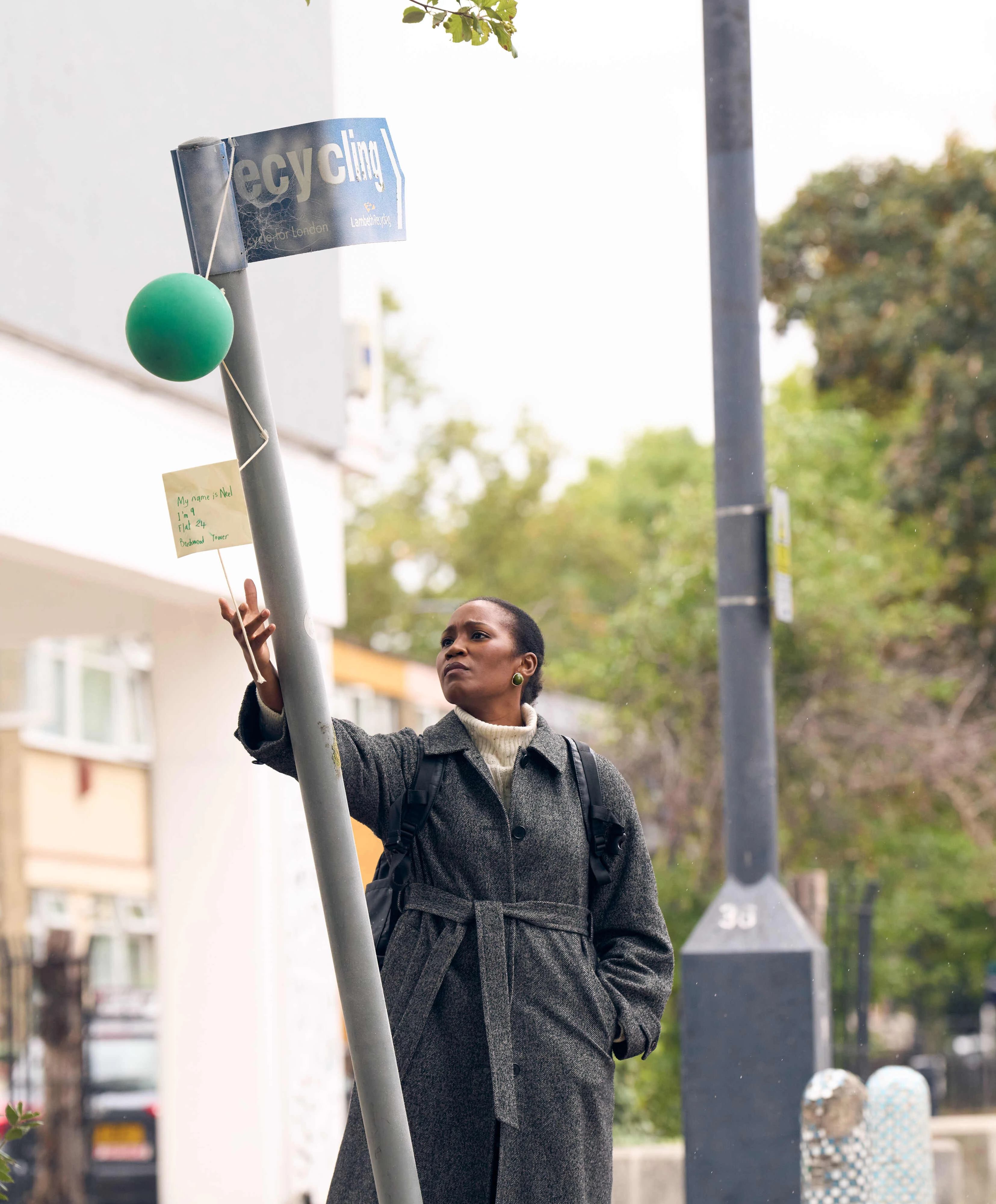
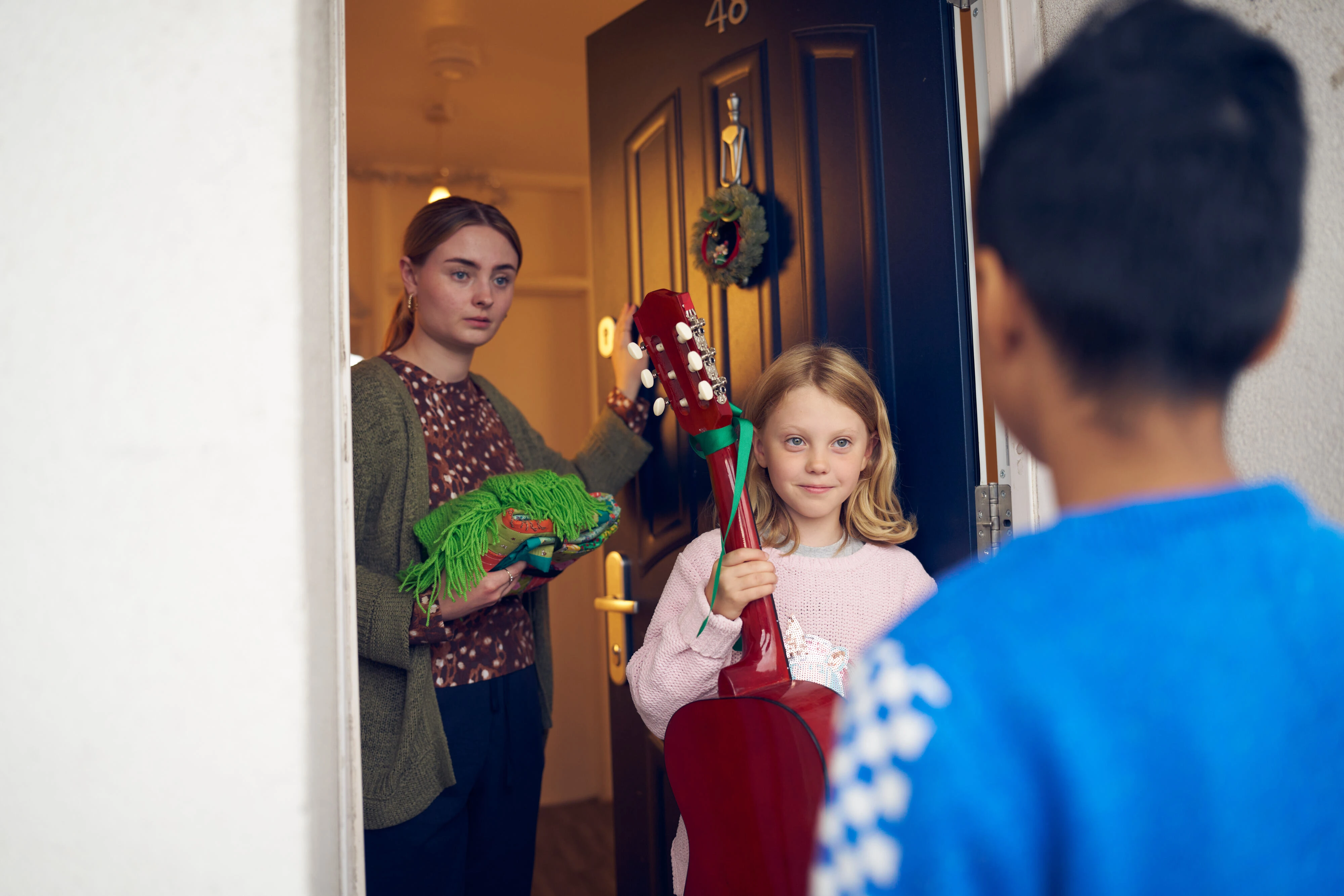
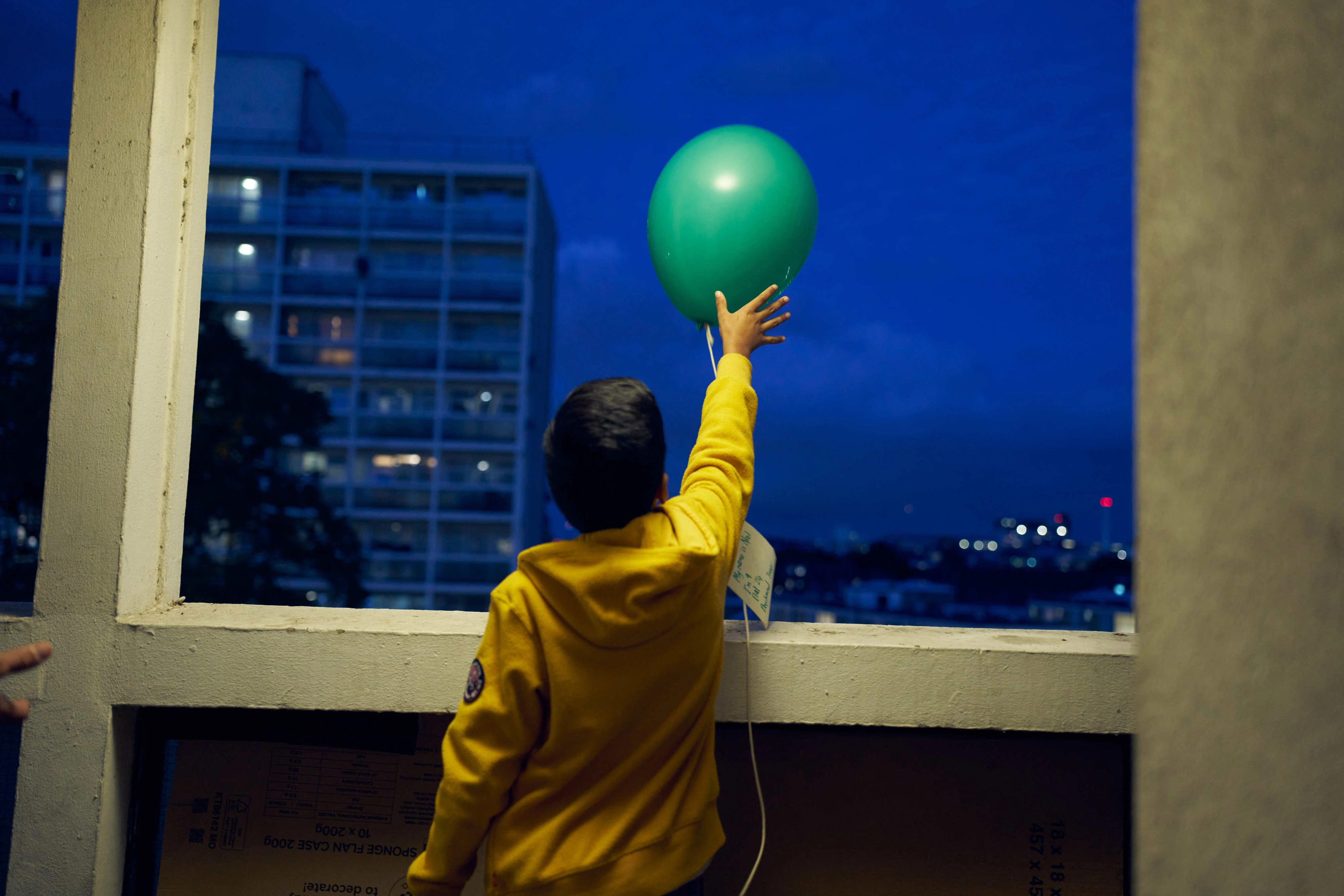
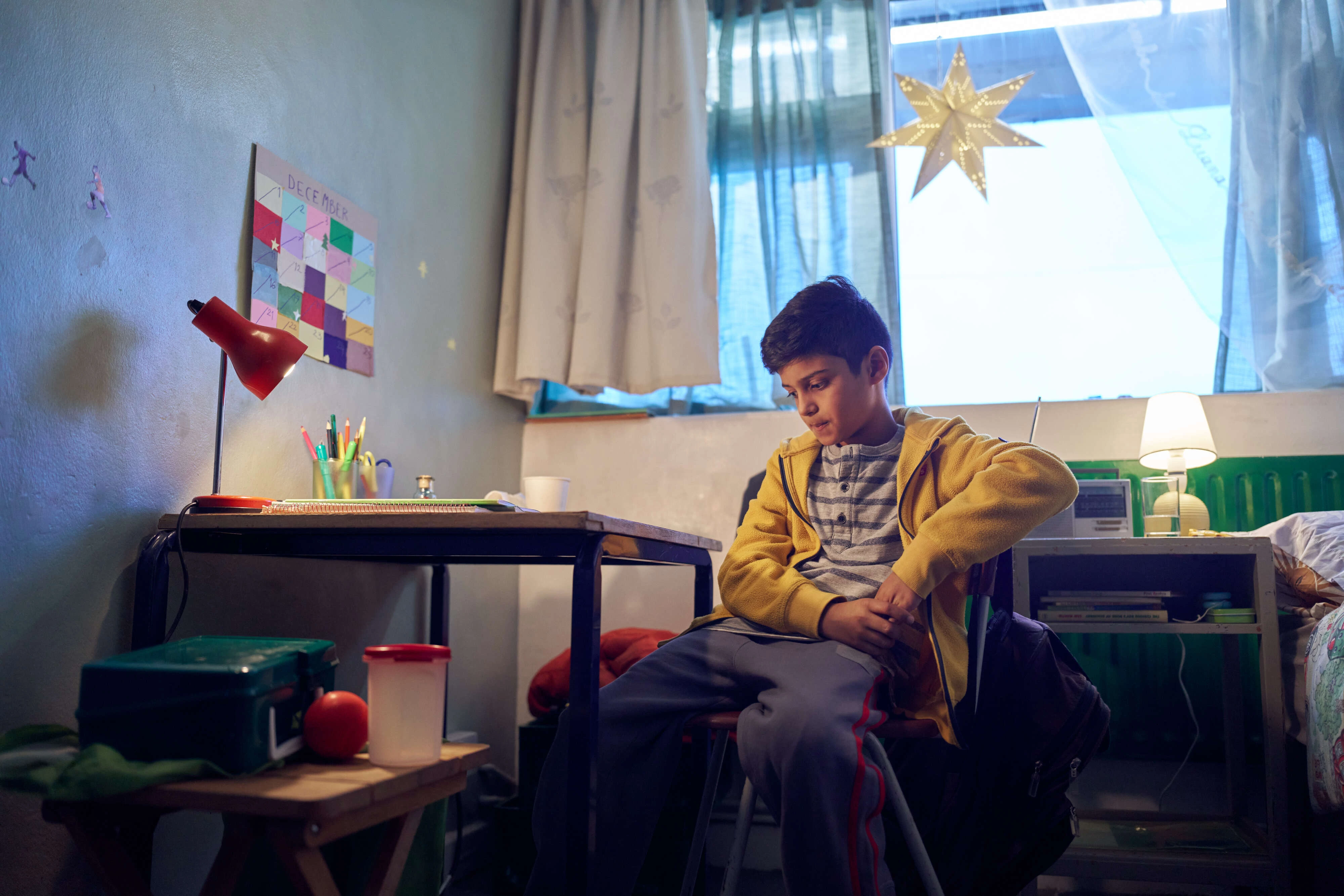
Neel, a young boy living on a London estate, writes his Christmas list and sends it off tied to a balloon. A stranger finds it and passes it on, and it ends up in a local Oxfam shop, where volunteers knit, stitch and restring the things on it. On Christmas morning, the gifts are waiting on Neel’s doormat. He takes them straight to his neighbours, a young mum and her daughter, and whispers “Merry Christmas”, his only line in the film. The list was never for him.
The reveal changes the meaning of everything that comes before it. It also turns the Christmas ad formula around: the payoff isn’t receiving a gift but giving one, and the giver is the boy with the least.
Craft
The way the film was made needed to match what it says. Directed by Sasha Nathwani, it was shot on the Loughborough Estate with members of the local community. Sasha used long lenses and kept the camera at a distance, so the story plays out as if observed rather than staged.
Everything in Neel’s story is made, mended or second-hand. The scarf and blanket on his list weren’t props bought for the shoot. Members of Oxfam Tooting’s Sewing and Sanctuary group knitted them.
The warmth of the story is deliberately offset.
From Film to The List
The film ends on a question: “If a gift could change the world, what would be on your list?”
Happy Hour also came up with the answer: a digital alternative Christmas list, built by Wholegrain. Instead of asking for things for themselves, people can fill their list with donations, Oxfam Unwrapped gifts, pieces from Oxfam’s ethical range, and pre-loved books, fashion and music.
That means one idea runs all the way from a 90-second film to a call to action to something people actually use. The film makes the case for giving differently at Christmas, and the list makes it easy to do.
Media and Integration
‘The List’ runs as 90, 60 and 30-second TV spots through November and December, supported by social cutdowns and the digital Christmas list.





















Newsletter Sign-up
Big ideas to keep your brand moving