The UK's New Junk Food Advertising Ban: A Turning Point for Public Health and Brand Strategy

The UK's New Junk Food Advertising Ban
As of January 5, 2026, the UK has implemented one of the most significant advertising restrictions in years.
Junk food advertising has been banned from being shown on TV before 9pm and in its entirety online, as the government attempts to tackle the childhood obesity crisis.
For the advertising industry, food manufacturers, and brands, this represents a pivotal moment that demands both reflection on public health priorities and strategic adaptation.
Understanding the New Regulations
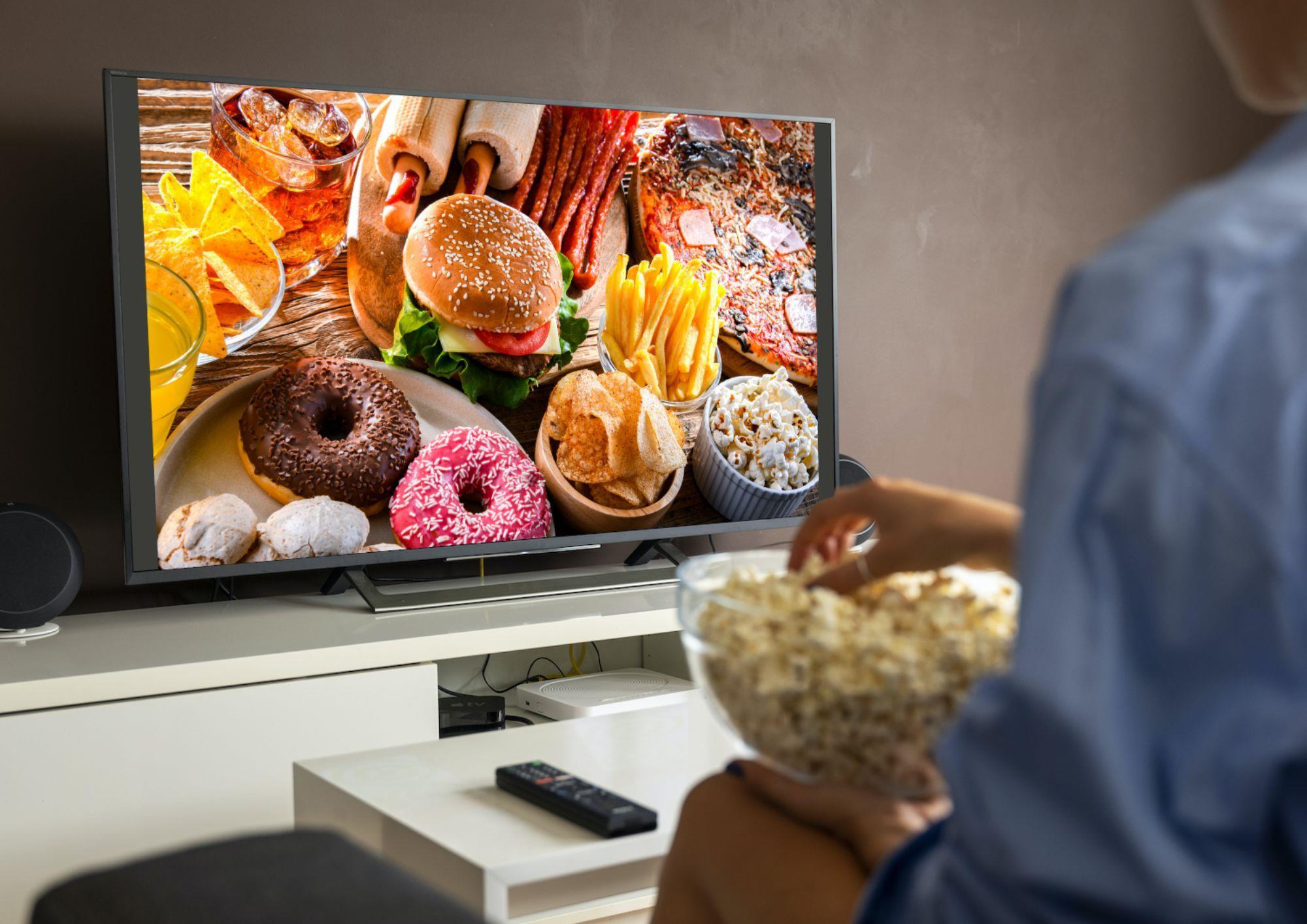
The ban on promoting high fat, salt, and sugar (HFSS) products covers 13 categories identified as major contributors to childhood obesity, including soft drinks, confectionery, ice cream, certain cereals, and other HFSS items. These products can no longer be advertised during daytime TV slots or online at any time. The government estimates this measure could prevent around 20,000 childhood obesity cases and generate approximately £2billion in health benefits over time.
This is a meaningful intervention. Childhood obesity rates have been climbing for decades, and the advertising of unhealthy products has played a documented role in shaping consumption patterns, particularly among young people. The ban acknowledges that advertising influences behaviour and that reducing exposure to these messages during times when children are most likely to be viewing can have real public health impact.
The Reality for Advertisers
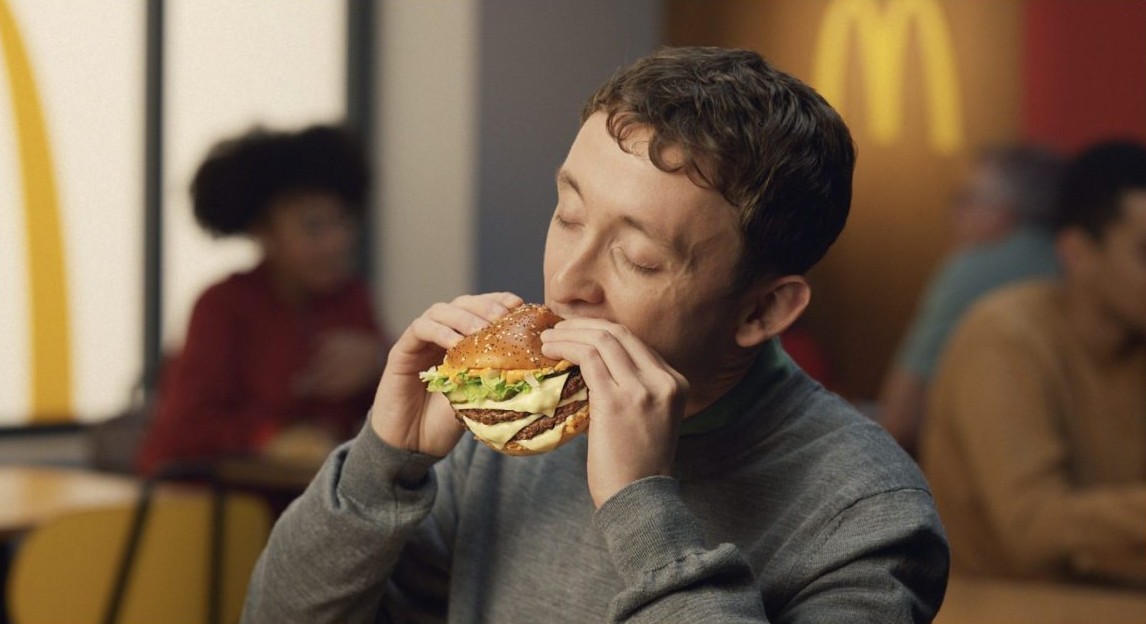
The implementation does create genuine challenges for brands and agencies working in affected categories. Daytime TV and online advertising represent significant portions of many food and beverage marketing budgets, and the loss of this inventory is substantial. Companies will need to fundamentally rethink how they reach consumers and maintain brand presence in a restricted media landscape.
However, it's important to recognise that the ban is narrowly targeted. It restricts advertising of specific product categories – not entire brands. This distinction matters: while you cannot advertise a sugary soft drink during daytime hours or online, you can continue brand-focused campaigns that build emotional connections with consumers without promoting restricted products.
Strategic Options for Brands
For food and beverage companies affected by the restrictions, several legitimate paths forward exist:
Brand and Values-Focused Advertising
Brands can shift toward campaigns centred on corporate values, sustainability, heritage, or brand purpose rather than product promotion. This allows companies to maintain visibility and build loyalty through storytelling that transcends specific product sales.
Healthier Product Innovation
The ban creates an incentive for product reformulation. If food manufacturers develop lower-HFSS versions of popular products, those items can be advertised without restriction. This aligns commercial interests with public health goals and could genuinely shift what's available to consumers.
Evening and Premium Slots
Advertising after 9pm on television remains unrestricted. For products aimed at adult consumption, these premium evening slots can be valuable and effective channels.
A Catalyst for Industry Change
One of the most constructive aspects of this ban is that it incentivises product reformulation. If a manufacturer can reduce the fat, salt, or sugar content of their products to fall outside HFSS definitions, they immediately regain full advertising freedom. This creates economic incentives aligned with public health benefits – a rare alignment in policy design.
Some brands are already exploring this opportunity, developing product lines that meet health criteria while maintaining taste and appeal. Success in this space could become a genuine competitive advantage, both commercially and reputationally.
What This Means for the Industry
The ban reflects broader societal concern about childhood obesity and represents a shift in how regulations balance commercial interests with public health. For the advertising industry specifically, it's a reminder that the relationship between marketing and consumer behaviour—particularly with vulnerable audiences—continues to shape public policy.
Rather than viewing this purely as a constraint, forward-thinking brands and agencies can see it as an opportunity to demonstrate how business can adapt to evolving social values. Companies that invest in brand building beyond product promotion, explore product innovation, and engage authentically with health-conscious consumers may emerge stronger.
The Path Forward
The junk food advertising ban is not a temporary inconvenience; it's a structural change to the media landscape driven by legitimate public health concerns. Brands that acknowledge this, accept the restrictions as valid, and focus on strategic adaptation will navigate this transition most effectively.
The advertising industry has always evolved with regulation and cultural change, and this moment is no different. It's an invitation to rethink how brands connect with consumers in ways that align with both commercial success and public health responsibility.
Get In Touch
Everything we make begins with an open conversation.
If you're looking to advertise your brand on TV and you’ve got a brief, a spark of an idea, or just want to explore what’s possible, we’d love to chat.

.webp)

Newsletter Sign-up
Big ideas to keep your brand moving